
Why Paper Ice Cream Cups Are Key to Attracting Health-Conscious Consumers?
Leave a message
The modern health-conscious consumer evaluates food choices through a holistic lens that extends beyond ingredients to encompass packaging, environmental impact, and brand values. In this context, the humble paper ice cream cup has emerged as a powerful tool for attracting customers who prioritize wellness, sustainability, and transparency. The choice between paper and alternative packaging materials sends immediate signals about a brand's commitment to health and environmental responsibility.
Paper ice cream cups attract health-conscious consumers by aligning with their values around natural materials, environmental sustainability, and chemical avoidance. The perception of paper as a safer, more natural option compared to plastic makes it particularly appealing to consumers concerned about both personal and planetary health.
The connection between packaging material and health perception is stronger than ever, with paper cups offering multiple advantages that resonate specifically with wellness-focused demographics.
The Natural Material Advantage: Perceived Purity and Safety
Health-conscious consumers increasingly prefer natural materials over synthetic alternatives, viewing them as safer and more aligned with their wellness-focused lifestyles.
Paper ice cream cups benefit from the perception of naturalness and safety associated with plant-based materials, contrasting with plastic containers that raise concerns about chemical leaching and environmental persistence. This natural material preference is particularly strong among consumers seeking clean labels and minimal processing.

The material composition of packaging has become a proxy for product quality and safety in the minds of many health-focused shoppers.
Chemical Safety and Leaching Concerns
Health-conscious consumers are increasingly aware of potential chemical migration from packaging to food. Paper ice cream cups alleviate concerns about phthalates, BPA, and other synthetic chemicals that some consumers associate with plastic containers. While modern food-grade plastics are rigorously tested, the perception of risk remains strong among wellness-focused demographics. Paper's natural cellulose structure, when properly lined with food-safe coatings, provides reassurance of minimal chemical interaction. The food-safe paper cups used by reputable manufacturers meet stringent FDA and EU regulations for food contact materials, with testing protocols that verify no harmful substance transfer. This safety profile is particularly important for products like ice cream, where fat content can potentially facilitate chemical migration in some packaging scenarios, making paper the preferred choice for cautious consumers.
Clean Label Alignment
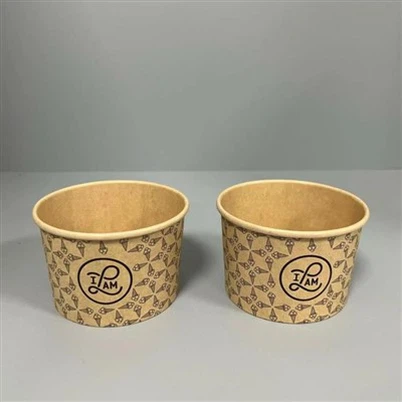
The clean label movement extends beyond ingredients to packaging, with consumers seeking simplicity and transparency throughout the product experience. Paper ice cream containers align with this trend through their straightforward material composition that consumers can easily understand and trust. Unlike some multi-layer plastic packaging that may incorporate various chemical additives, paper cups present a more transparent material story that resonates with clean-label values. Many health-conscious consumers specifically seek out products with minimal and recognizable packaging materials, viewing this as an extension of the product's overall purity and quality. The natural appearance of unbleached kraft paper cups particularly appeals to this demographic, visually communicating the simplicity and naturalness they prioritize in their food choices.
Environmental Health Connection: Planetary and Personal Wellness
Health-conscious consumers increasingly recognize the connection between environmental health and personal wellness, making sustainable packaging a key consideration in their purchasing decisions.
Paper ice cream cups appeal to health-conscious consumers through their environmental profile, including renewable sourcing, biodegradability, and reduced plastic pollution concerns. This alignment with planetary health values creates a holistic wellness proposition that extends beyond individual nutrition to encompass environmental responsibility.

The understanding that personal health cannot be separated from environmental health has become a central tenet of the wellness movement, influencing packaging preferences.
Biodegradability and Ecosystem Health
The end-of-life scenario for packaging materials significantly influences health-conscious consumers' choices. Paper ice cream cups break down naturally in the environment, contrasting with plastic alternatives that persist for centuries and contribute to microplastic pollution. This biodegradability aligns with concerns about ecosystem health and the long-term impacts of plastic pollution on food chains and human health. Consumers who prioritize organic, natural, and sustainably sourced foods often extend these values to packaging, seeking options that minimize environmental harm. The compostable ice cream cups available in the market offer particularly strong appeal to this demographic, as they can be returned to the earth safely, completing a natural cycle that resonates with holistic health values.
Renewable Sourcing and Carbon Footprint
The renewable nature of paper compared to petroleum-based plastics appeals to consumers concerned about resource depletion and climate change. Paper cups for ice cream sourced from responsibly managed forests represent a sustainable approach to packaging that aligns with the forward-thinking perspective of health-conscious consumers. Many in this demographic are aware of the carbon footprint associated with different packaging materials and prefer options with lower lifecycle emissions. The ability to choose FSC-certified paper cups provides additional reassurance that the packaging supports responsible forestry practices, creating a connection between personal wellness choices and positive environmental stewardship. This comprehensive environmental consideration reflects the systems-thinking approach that characterizes many health-conscious consumers.
Transparency and Brand Trust Building
Health-conscious consumers value transparency throughout the supply chain, and paper packaging offers opportunities to demonstrate commitment to open communication and ethical practices.
Paper ice cream cups facilitate transparency through visible environmental certifications, clear material composition information, and alignment with brand stories focused on natural ingredients and responsible sourcing. This transparency builds trust with consumers who scrutinize product origins and environmental impact.

Trust is paramount for health-conscious consumers, and packaging serves as a visible indicator of a brand's commitment to their values.
Certification Visibility and Credibility
The surface area of paper ice cream cups provides space for displaying environmental certifications that health-conscious consumers look for when making purchasing decisions. Certifications like FSC (Forest Stewardship Council), compostability logos, and recycled content symbols serve as visual shorthand for responsible practices that align with wellness values. These certifications provide third-party verification that reassures skeptical consumers about environmental claims. The eco-friendly ice cream cups that prominently feature these certifications make it easy for health-conscious shoppers to quickly identify products that meet their standards for sustainability and responsibility. This immediate visual communication is particularly valuable in retail environments where consumers make rapid decisions based on packaging signals.
Ingredient and Sourcing Story Alignment
Paper packaging provides a natural-looking canvas that complements brand stories focused on pure ingredients, artisanal methods, and ethical sourcing. Health-conscious consumers often seek products with compelling narratives about ingredient quality and production methods, and paper ice cream containers visually support these stories better than synthetic alternatives. The natural texture and appearance of paper align with messaging around real ingredients, minimal processing, and traditional techniques. This visual harmony between product and packaging creates a cohesive brand experience that resonates with consumers who value authenticity and transparency. Brands that use paper packaging can more effectively communicate their commitment to quality throughout the entire product experience, not just the edible components.
Functional Benefits Supporting Health Values
Beyond environmental and perception advantages, paper cups offer practical benefits that directly support the usage patterns and preferences of health-conscious consumers.
Paper ice cream cups provide functional advantages including better insulation for slower eating, appropriate portion sizing, and compatibility with health-focused consumption patterns like sharing and mindful eating practices that appeal to wellness-oriented customers.

The physical characteristics of paper cups support eating behaviors and preferences common among health-conscious consumers.
Portion Control and Mindful Eating
The standardized sizes of paper ice cream cups support portion control, which is important for health-conscious consumers who practice mindful eating. Unlike open containers that might encourage oversized servings, pre-portioned cups provide built-in moderation that aligns with wellness goals. The insulation properties of paper, especially double-wall constructions, allow for slower eating by maintaining optimal temperature longer. This slower pace supports mindful consumption practices that health-conscious consumers often prefer, allowing them to fully savor their treat without rushing. The individual ice cream cups also facilitate sharing, enabling health-conscious consumers to enjoy a taste without overindulging, particularly valuable for those managing calorie intake or specific dietary requirements.
Compatibility with Alternative Diets
Health-conscious consumers often follow specific dietary approaches like vegan, dairy-free, or low-sugar regimens. Paper ice cream cups provide a neutral packaging option that doesn't conflict with these dietary choices, unlike some plastic containers that might raise concerns among consumers avoiding certain chemicals or materials. The ability to clearly label specialty dietary information on paper surfaces helps consumers quickly identify products that meet their specific needs. The natural appearance of paper also visually aligns with the "clean" aesthetic that many alternative diet followers prefer, creating packaging that looks as wholesome as the product inside. This compatibility makes paper cups the preferred choice for brands targeting niche health markets with specialized product formulations.
Market Differentiation and Competitive Advantage
In a crowded marketplace, paper cups provide distinct advantages for brands targeting health-conscious consumers who use packaging as a screening tool during purchase decisions.
Paper ice cream cups offer competitive differentiation by immediately signaling health and environmental values at the point of sale, attracting the growing segment of consumers who prioritize wellness and sustainability in their purchasing decisions.

The visual distinction of paper packaging helps health-focused brands stand out and attract their target demographic more effectively than conventional packaging options.
Demographic Targeting and Preference Alignment
Market research consistently shows that health-conscious consumers, particularly millennials and Gen Z, strongly prefer paper packaging over plastic for food products. By using paper ice cream cups, brands immediately align with these preferences, making their products more appealing to these valuable demographic segments. This alignment is particularly important for new brands entering the health food space, as packaging choices significantly influence trial and adoption among target consumers. The health-conscious ice cream cups made from paper serve as a visual filter that helps the right customers self-select products that match their values, reducing marketing waste and improving conversion rates among the target audience.
Premium Positioning and Value Justification
Paper cups support premium positioning that health-conscious consumers expect from quality products. The natural, substantial feel of paper packaging justifies higher price points better than thin plastic containers, which may signal lower quality regardless of the actual product inside. Health-conscious consumers are often willing to pay modest premiums for products that align with their values, and premium paper cups help communicate the quality and care that justify these price differences. The ability to use sophisticated designs, custom printing, and specialty finishes on paper allows brands to create packaging that looks worth the premium price, supporting the overall value proposition for health-focused products that often carry higher production costs due to quality ingredients and specialized formulations.
Conclusion
Paper ice cream cups serve as a crucial touchpoint for attracting health-conscious consumers by aligning with their values around natural materials, environmental responsibility, transparency, and mindful consumption. The material choice signals brand values that resonate strongly with wellness-focused demographics, making paper packaging an essential element of marketing strategy for brands targeting this growing market segment. For businesses looking to appeal to health-conscious consumers, Haokelao Packaging offers paper cup solutions that balance environmental credentials with functional performance and aesthetic appeal tailored to wellness-focused market positioning.