
Why Paper Ice Cream Cups Are Better Than Plastic Cups for Desserts
Leave a message
There's a quiet revolution happening at ice cream parlors and dessert shops worldwide. As customers become more conscious about sustainability and experience, the humble container holding their treat is getting a major upgrade. While plastic has long been a standard, paper ice cream cups are emerging as the clearly superior choice for businesses that care about quality, branding, and environmental impact.
Paper ice cream cups outperform plastic alternatives through superior insulation properties, enhanced brand presentation capabilities, and more environmentally responsible end-of-life options, particularly when compared to single-use PET plastic containers commonly used for desserts.

The choice between paper and plastic goes far beyond basic functionality. It affects how customers perceive your brand, how your product tastes, and what happens to the container after it's served its purpose. Let's examine why paper consistently comes out on top.
The Insulation Advantage: Keeping Desserts at Perfect Temperature
Ice cream isn't just cold-it needs to maintain a specific temperature and texture to deliver the ideal eating experience. The material of your cup plays a crucial role in this delicate balance.
Paper ice cream cups provide naturally better thermal insulation than plastic containers, slowing heat transfer from the environment and helping maintain consistent dessert temperature longer. This prevents premature melting and preserves the intended texture and flavor profile crafted by your chefs.

Plastic containers conduct temperature changes more readily, while paper's cellular structure creates natural barriers against heat transfer. This fundamental material difference has dramatic practical effects.
The magic lies in paper's inherent structure. The fibrous matrix of paperboard contains countless tiny air pockets that act as insulators, slowing down the transfer of heat from the environment to the frozen dessert inside. This means a scoop of ice cream in a paper cup will maintain its ideal serving temperature significantly longer than the same scoop in a thin plastic container. For premium desserts like gelato or sorbet that have specific serving temperatures, this extended thermal protection is crucial. It prevents the formation of those unappetizing ice crystals that form during partial thawing and refreezing. Additionally, paper doesn't become uncomfortably cold to hold like some clear plastic dessert cups can, improving the customer's tactile experience from the first moment they receive their treat.
Brand Presentation and Customer Perception
In the competitive dessert market, presentation is everything. The container you choose communicates volumes about your brand values and quality standards before the customer even takes their first bite.
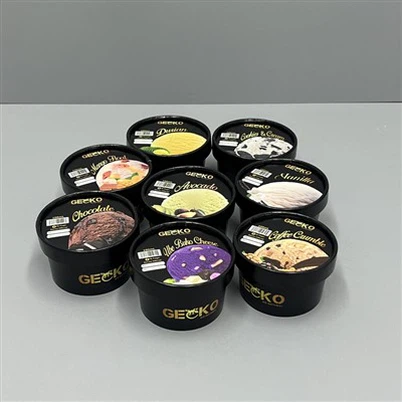
Paper ice cream cups offer superior branding opportunities through better print quality, a more premium tactile feel, and a natural aesthetic that aligns with artisanal quality. Unlike the slick, industrial appearance of many plastic containers, paper conveys warmth and craftsmanship.

Your packaging is a mobile billboard for your brand. While plastic containers can feel generic and utilitarian, paper cups provide a canvas that reflects your shop's unique personality and quality standards.
The branding advantages are both visual and tactile. Paper's matte surface accepts printing far better than slick plastic, resulting in sharper, more vibrant logos and designs that won't smudge or scratch off easily. The natural texture feels substantial and premium in the hand, subtly signaling quality before the customer even tastes the product. This is particularly evident when comparing to PET plastic cups for desserts – while these clear containers might showcase colorful desserts, they often feel flimsy and generic. The sturdy construction of paper cups, especially double-walled versions, conveys durability and value that plastic simply cannot match. For shops focusing on organic, homemade, or premium ingredients, the natural kraft appearance of paper provides perfect visual alignment with these quality claims, creating a cohesive brand experience that plastic containers fundamentally undermine.
Environmental Impact: A Clear Path to Sustainability
The environmental discussion around packaging has moved beyond simple recycling symbols to a more nuanced understanding of full lifecycle impact. Here, paper cups demonstrate significant advantages when properly sourced and disposed.
Paper ice cream cups made from FSC-certified materials with compostable PLA linings offer a genuinely sustainable alternative to petroleum-based plastic cups. While both face recycling challenges, paper products break down more readily and come from renewable resources, unlike plastic derived from fossil fuels.

The environmental conversation requires honesty about both materials. While no single-use product is perfect, paper cups provide a more responsible path forward when implemented correctly.
End-of-Life Comparison: Paper vs. Plastic
Understanding what actually happens to these containers after use is crucial for evaluating their true environmental impact. This comparison reveals paper's distinct advantages.
| Aspect | Paper Ice Cream Cups (PLA-lined) | PET Plastic Cups |
|---|---|---|
| Material Source | Renewable wood pulp from sustainably managed forests | Petroleum-based fossil fuels |
| Recyclability | Challenged by lining separation, but possible in specialized facilities | Technically recyclable, but often contaminated by food residue |
| Compostability | Yes – breaks down in industrial composting facilities | No – does not biodegrade in any meaningful timeframe |
| Breakdown Time | 2-6 months in proper conditions | 400+ years in landfill |
| End Result | Returns to soil as non-toxic compost | Persists as microplastics in environment |
The most significant difference lies in compostability. While PET plastic dessert containers will persist in landfills for centuries, breaking down into microplastics, compostable paper cups with PLA linings can completely break down into non-toxic organic matter in commercial composting facilities within months. Even when improperly disposed, paper breaks down far more readily than plastic. Additionally, paper production has made significant strides in sustainability, with many manufacturers using paper from FSC-certified forests and renewable energy in production. For dessert shops looking to minimize their environmental footprint, paper cups made with compostable linings represent the most viable sustainable option available today.
Conclusion
Paper ice cream cups deliver superior performance across every meaningful metric-from temperature maintenance and brand enhancement to environmental responsibility-making them the clear choice over plastic containers for discerning dessert businesses. For shops ready to upgrade their packaging to match the quality of their products, Haokelao Packaging offers expertly manufactured paper cup solutions that balance performance, sustainability, and stunning brand presentation.