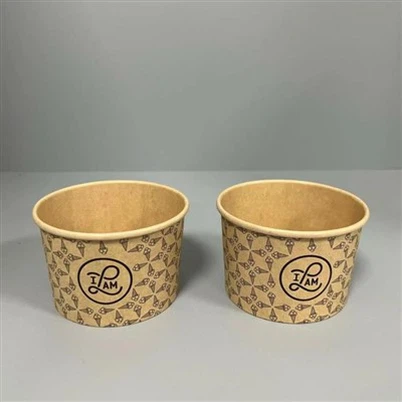

Understanding the Different Capacities of Ice Cream Paper Cups
Leave a message
When it comes to serving ice cream, selecting the right container is just as important as the quality of the dessert itself. The type of paper ice cream cups you choose can directly impact customer satisfaction and your product presentation. Whether you're a small shop or a large-scale distributor, understanding the capacities, uses, and designs of ice cream paper cups is essential for making the right decision.
What is the right size for your ice cream servings? This question lies at the heart of every ice cream vendor's packaging strategy. Below, we'll explore various aspects of paper ice cream cups, their capacities, and how they support your business goals.

Why Do Capacities of Paper Ice Cream Cups Matter?
The capacity of an ice cream cup may seem like a small detail, but it has a big impact on customer experience and business operations. Customers expect their servings to match their expectations, and the wrong cup size can leave them feeling dissatisfied.
Choosing the right capacity ensures portion control, reduces waste, and enhances customer satisfaction. For example, you wouldn't serve a single scoop of ice cream in a large 16 oz cup. Similarly, overfilling a small cup can create a mess and reduce the visual appeal. By understanding the different capacities of paper ice cream cups, you can align your serving sizes with the needs of your customers.

Common Capacities of Ice Cream Paper Cups
To meet the diverse needs of businesses and customers, paper ice cream cups are manufactured in various sizes. Below are the most commonly used capacities:
| Cup Size | Capacity (oz) |
|---|---|
| 3 oz | For small samples or single scoops, perfect for taste-testing. |
| 6 oz | Ideal for single servings of gelato, frozen yogurt, or ice cream. |
| 8 oz | Great for medium-sized servings, often used for sundaes or two scoops. |
| 12 oz | Popular for multiple scoops or layered desserts such as parfaits. |
| 16 oz | Suitable for large servings, often used in family packs or takeaway options. |
Each capacity serves a specific purpose. For instance, small 3 oz cups are perfect for sampling flavors, while 16 oz cups cater to customers looking for larger take-home portions. These variations allow businesses to customize their offerings and cater to different customer needs.
How to Select the Right Paper Ice Cream Cup for Your Business?
Selecting the right paper ice cream cups depends on several factors, such as your menu, target audience, and operational requirements.
1. Understand Your Menu Needs:
Consider the portion sizes of your offerings. Are you selling single scoops, sundaes, or family-sized servings? For example, a shop specializing in artisanal gelato might prioritize 6 oz or 8 oz cups, while a chain offering takeout would require 16 oz options.
2. Know Your Customers' Preferences:
Customer behavior also plays a role. Some customers prefer smaller servings for health reasons, while others may want larger portions for sharing. Offering a range of ice cream cup sizes ensures you meet diverse preferences.
3. Branding and Design:
Your ice cream cup design can showcase your brand and create a memorable customer experience. Customizing your cups with your logo or unique graphics can also strengthen your brand identity.

What Materials Are Used in Paper Ice Cream Cups?
Not all paper ice cream cups are created equal. Their material composition plays a crucial role in their durability, sustainability, and overall performance. Most ice cream cups are made from coated paperboard, which provides rigidity and prevents leakage. Here are the common materials used:
1. PE-Coated Paperboard
Polyethylene (PE) coating is the most common option for ice cream paper cups. It creates a moisture barrier, ensuring that the cup doesn't become soggy when holding frozen desserts. This option is economical and widely used.
2. PLA-Coated Paperboard
Polylactic acid (PLA) is a biodegradable alternative to PE. Cups with PLA coating are compostable and appeal to eco-conscious consumers. These are ideal for businesses looking to position themselves as environmentally friendly.
3. Double-Wall Cups
Some custom ice cream cups feature double-wall construction for added insulation. This keeps the ice cream cold for longer and prevents the outer surface from softening due to condensation.
| Material Type | Key Features | Eco-Friendliness |
|---|---|---|
| PE-Coated Paperboard | Standard moisture-resistant option | Moderate |
| PLA-Coated Paperboard | Biodegradable and compostable | High |
| Double-Wall Cups | Superior insulation and durability | Moderate |
How Does Cup Design Impact Customer Experience?
The ice cream cup design goes beyond aesthetics-it directly influences the practicality and appeal of your product. A well-designed cup should:
Be Easy to Hold: Customers appreciate ergonomically designed cups that prevent spills.
Showcase the Product: Transparent lids or creative designs can make your ice cream look more appetizing.
Reflect Your Brand: Custom graphics, colors, and logos create a cohesive brand identity.
Additionally, the design should match the serving size. For instance, a 6 oz cup with a wide opening is perfect for showcasing toppings, while a taller 16 oz cup works best for parfaits.

How to Improve Sustainability with Ice Cream Paper Cups?
Sustainability is a growing concern in the food service industry. Businesses are increasingly switching to eco-friendly packaging solutions, including ice cream paper cups. Here's how you can improve sustainability:
Switch to PLA Coating: As mentioned earlier, PLA-coated cups are biodegradable and compostable, making them an excellent choice for eco-conscious brands.
Use Recyclable Materials: Opt for cups made from FSC-certified paper to ensure responsible sourcing.
Reduce Waste with Accurate Sizing: Offering appropriate cup sizes minimizes material usage and prevents food wastage.
Educate Customers: Include eco-friendly messaging on your cups to encourage recycling and proper disposal.
Why Sustainability Matters?
Sustainable practices not only help the environment but also resonate with customers. Many consumers prefer businesses that prioritize eco-friendly solutions, and this can give your brand a competitive edge.
Conclusion
Understanding the capacities, materials, and designs of paper ice cream cups is essential for delivering the best customer experience. By choosing the right sizes, materials, and designs, you can ensure customer satisfaction while aligning with sustainability goals. At Haokelao, we specialize in providing high-quality, eco-friendly custom ice cream cups to meet your unique needs. Let us help you make your brand stand out with our innovative solutions.