
How Different Paper Ice Cream Cup Materials Affect Melting Speed?
Leave a message
Summer is here, and ice cream sales are surging-but every dessert business knows that serving ice cream isn't just about flavor and presentation. The material of your Paper Ice Cream Cups plays a critical role in controlling melting speed, maintaining the perfect texture, and ensuring customer satisfaction. Choosing the right cup material can enhance your brand's reputation and even improve operational efficiency during peak hours.
In this comprehensive guide, we explore how various Paper Ice Cream Cups materials affect melting speed, the science behind insulation and coating, and practical tips for selecting cups that preserve ice cream quality while reinforcing your brand identity.
Understanding the Importance of Cup Material
Ice cream melts quickly, especially under warm conditions, and the cup you serve it in can make a noticeable difference. Paper Ice Cream Cups aren't just containers-they are thermal insulators that influence how long the ice cream maintains its intended texture.
Why Material Matters
Different paper types have varied thickness, fiber density, and coatings, all of which impact heat transfer.
Cups that allow too much heat conduction can lead to faster melting and customer dissatisfaction.
Choosing the right material can prevent messes, improve presentation, and even allow for slightly larger portions without compromising quality.
A thorough understanding of these factors is essential for dessert businesses aiming to offer a premium experience.
Common Paper Ice Cream Cup Materials
Paper Ice Cream Cups come in multiple material variations, each with unique properties affecting melting speed, insulation, and customer experience.
White Paper Cups
White paper cups are usually made from bleached paperboard and coated with PE or PLA for leak resistance.
Thermal Performance: Moderate insulation; suitable for single or double scoops.
Melting Speed: Standard; may require quick service in high-temperature environments.
Branding Potential: Excellent for printing logos and seasonal designs, enhancing visual appeal.
White cups are ideal for businesses that value aesthetic flexibility while serving standard ice cream portions.
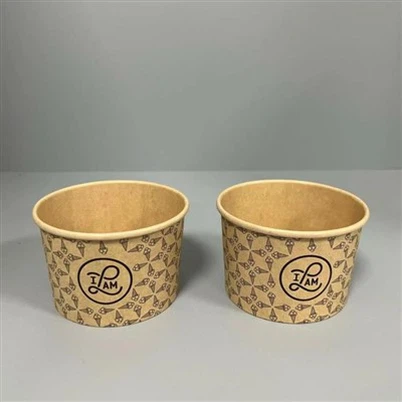
Kraft Paper Cups
Kraft cups use unbleached, naturally stronger paperboard, often coated with PLA or wax.
Thermal Performance: Dense fibers and thicker walls provide superior insulation, slowing the melting process.
Melting Speed: Slower compared to standard white cups, making them ideal for multi-scoop desserts or serving outdoors.
Branding Potential: Eco-conscious branding; can still accommodate printing, though colors may appear muted.
Kraft Paper Ice Cream Cups not only communicate sustainability but also provide functional benefits for temperature management.

Colored Paper Cups
Colored cups offer aesthetic versatility but have similar structural properties to white cups.
Thermal Performance: Comparable to white cups; depends on fiber density and coating.
Melting Speed: Slightly faster if the coating is thin; thick coatings can improve insulation.
Branding Potential: High visual impact; ideal for promotions, seasonal events, or themed desserts.
Colored Paper Ice Cream Cups allow for creative presentation while requiring careful selection to maintain thermal efficiency.
Coatings and Their Effect on Melting
The coating of Paper Ice Cream Cups significantly impacts melting speed by providing a barrier against moisture and heat.
PE (Polyethylene) Coating
Provides a waterproof layer, preventing leaks and soggy cups.
Offers moderate insulation but may conduct heat slightly faster than thicker alternatives.
Common in standard white and colored cups.
PLA (Polylactic Acid) Coating
Biodegradable and eco-friendly alternative to PE.
Creates a slightly thicker barrier, enhancing insulation.
Slows down ice cream melting while maintaining environmentally responsible practices.
Wax or Laminated Coatings
Sometimes used in Kraft cups to improve liquid resistance and thermal retention.
Slows heat transfer, ideal for extended outdoor service or high-temperature environments.
Choosing the right coating can directly impact customer satisfaction by reducing mess and prolonging the enjoyment of the dessert.
Thickness and Structural Design
Material thickness is another critical factor in how Paper Ice Cream Cups affect ice cream melting.
Standard Thickness (200–250 gsm): Suitable for regular portions; minimal insulation.
Extra-Thick Cups (250–300+ gsm): Offers superior insulation, reduces hand heat transfer, and supports larger servings.
Double-Walled or Insulated Designs: Advanced options that slow melting significantly, ideal for premium desserts or takeaway services.
A thicker or double-walled design not only improves thermal performance but also enhances the perceived quality of the dessert.

Environmental Considerations and Performance
Sustainability is increasingly influencing material selection for Paper Ice Cream Cups.
Kraft Cups: Naturally stronger fibers reduce the need for chemical treatments.
PLA-Coated Cups: Biodegradable and offer slightly better insulation than PE, supporting eco-friendly branding.
Colored Cups: Must use food-safe, non-toxic dyes to align with sustainability standards.
Eco-conscious materials not only appeal to modern consumers but can also perform better thermally due to denser, unbleached fibers.
Practical Tips for Businesses
Selecting the right Paper Ice Cream Cups involves balancing performance, branding, and operational needs.
Match Cup Material to Serving Environment
Indoor service: Standard white or colored cups may suffice.
Outdoor or warm climates: Kraft or extra-thick cups slow melting.
Consider Portion Size
Larger portions require thicker walls or double-walled designs to prevent rapid melting.
Multi-scoop desserts benefit from higher insulation to maintain shape and texture.
Branding Opportunities
Printing on white cups offers high-resolution designs.
Kraft cups reinforce eco-friendly messaging, ideal for organic or artisanal dessert brands.
Colored cups support themed promotions and social media appeal.
Supplier Reliability
Partnering with trusted suppliers like Haokelao Packaging ensures consistent quality, proper coating, and customization options to match your brand's needs.

Case Study: Ice Cream Melt Test
In practical tests comparing white, Kraft, and colored Paper Ice Cream Cups:
White Cups: Average melting time of 8–10 minutes at room temperature.
Kraft Cups: Slower melting at 12–14 minutes due to thicker fibers and dense structure.
Colored Cups: Variable; depends on coating thickness, typically 9–11 minutes.
This demonstrates that material choice can influence customer satisfaction, especially for premium desserts or takeaway orders.
Conclusion
The material of Paper Ice Cream Cups directly affects ice cream melting speed, presentation, and customer experience.
White cups are versatile and visually clean, but may require quick service in warm conditions.
Kraft cups provide superior insulation and eco-friendly messaging, ideal for outdoor or premium services.
Colored cups offer branding versatility but must be chosen carefully for thermal performance.
By understanding material properties, coating types, and structural design, dessert businesses can enhance quality, minimize mess, and reinforce brand identity. Partnering with trusted suppliers like Haokelao Packaging guarantees consistent quality and customization options, ensuring every scoop remains perfect from serving to consumption.