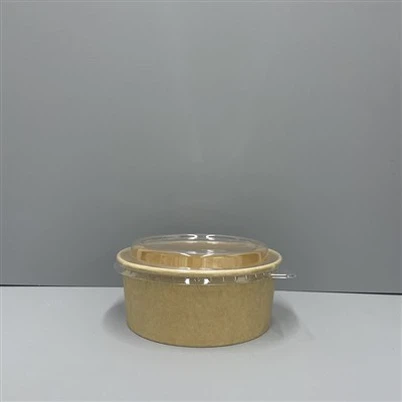

From Production to Packaging: How Paper Ice Cream Cups Are Made
Leave a message
When you enjoy a scoop of ice cream, you probably focus on the flavor, not the container. Yet the humble paper ice cream cup is the unsung hero of the dessert world, combining practicality, safety, and brand storytelling. Every detail in its production process-from raw material to packaging-shapes the way customers experience your product.
In this article, I will walk you through the step-by-step process of how paper ice cream cups are manufactured. I will explain the materials, technologies, and design strategies that make these cups essential in the food service industry. By the end, you will understand why these small items carry such a big impact.

What materials are used to make paper ice cream cups?
Every product begins with materials. For paper ice cream cups, this means strong, food-safe paperboard.
The base paper comes from sustainably managed forests and is often coated with a thin layer of PE or PLA. PE (polyethylene) is common, while PLA (a biodegradable plant-based coating) is chosen for eco-friendly options. This coating makes the cup resistant to moisture and grease, which is crucial for ice cream and frozen desserts.
Why coating matters
Without coating, cups would absorb liquid and lose shape. The coating not only strengthens the structure but also ensures hygiene, making custom ice cream cups reliable for both dine-in and takeaway use.
| Coating Type | Benefit | Drawback |
|---|---|---|
| PE | Affordable, durable | Non-biodegradable |
| PLA | Compostable, eco-friendly | Higher cost |
The material choice reflects the brand's balance between budget and sustainability values.
How are paper ice cream cups shaped?
Once the coated paperboard is prepared, it undergoes a series of shaping steps.
Large rolls of paperboard are cut into blanks. These blanks are then placed into high-speed forming machines. The machines curl the paper into cup walls, seal the seams with heat, and attach a circular base. The precise fit ensures that paper ice cream cups are sturdy enough to hold frozen treats without leakage.

The importance of precision
If the seam is poorly sealed, even the best ice cream will leak and damage the customer experience. Manufacturers conduct quality inspections at each stage to ensure consistent output. This technical accuracy is what separates high-quality ice cream paper cups from unreliable alternatives.
Where does printing come in during production?
Branding happens during the printing phase. Before shaping, the paperboard is fed through flexographic or offset printers. This is where logos, colors, and patterns are added.
Custom printed paper ice cream cups allow brands to transform plain packaging into powerful marketing tools. Whether it's minimalist premium designs or colorful illustrations for kids, printing makes every cup a moving advertisement.
Printing options for brands
Flexographic printing: Cost-effective for large runs with consistent quality.
Offset printing: Offers sharper images and color control, suitable for premium brands.
Digital printing: Great for small runs and quick customization.
Design is more than decoration. The ice cream cup design sets the emotional tone for how customers perceive your brand.
How do manufacturers ensure hygiene and safety?
Ice cream is a food product, and safety is non-negotiable.
During the production of paper ice cream cups, manufacturers follow strict hygiene standards. Machines are sanitized regularly, and human contact with raw materials is minimized. Cups are stored in dust-free environments before packaging.
This ensures that when a customer holds custom ice cream cups, they are not only looking at a design but also holding a safe, certified food container.

Certifications to look for
Many factories comply with ISO9001, FDA, and FSC certifications. These standards confirm that the production process aligns with global safety and environmental expectations.
Why is packaging important in the final stage?
After production, the cups move to the packaging stage. This step is just as important as manufacturing. Cups are stacked, counted, wrapped, and boxed for shipping.
Brands that order ice cream cups with lids often receive the lids packaged alongside, ensuring easy use in food service operations. Packaging must protect cups from dust, damage, and contamination during transport.
Bulk packaging vs. retail-ready packaging
Bulk packaging: Preferred by restaurants and cafes for efficiency.
Retail-ready packaging: Useful for supermarkets selling multi-packs of paper ice cream cups for home use.
Good packaging practices reduce waste and guarantee the customer receives the product in perfect condition.

How do design and functionality work together?
The best paper ice cream cups combine form and function. Customers expect cups to be comfortable to hold, easy to stack, and visually appealing.
This is where ice cream cup design plays a dual role. It enhances usability while reinforcing brand recognition. For example, ergonomic cup rims improve grip, while bold prints attract attention on social media when customers share photos.
Balancing the two
A well-made cup does not force brands to choose between beauty and practicality. Today's manufacturing technology ensures both goals are met at scale.
Conclusion
From material selection to printing, shaping, and packaging, every step in the production of paper ice cream cups matters. They are more than containers-they are brand ambassadors. For businesses looking to upgrade their packaging with reliable, eco-friendly solutions, Haokelao is here to provide expert guidance and tailored options.