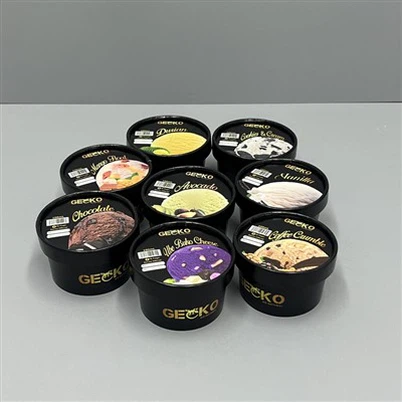

From Mini to Jumbo: A Complete Guide to Paper Ice Cream Cups Sizes and Materials
Leave a message
When customers step into an ice cream shop, they don't just think about flavors-they notice the serving size, the design of the cup, and even how sturdy it feels in their hands. For dessert business owners, choosing the right Paper Ice Cream Cups is more than just a practical decision; it's a reflection of the brand's identity, portion control strategy, and commitment to customer satisfaction.
In this guide, we'll take a deep dive into the different sizes of paper cups, from mini to jumbo, and explore the variety of materials available. Whether you're running a small gelato stand or a large frozen yogurt chain, understanding cup capacity and construction is essential to maximizing efficiency and delighting customers.
Why Cup Size Matters in the Dessert Industry
The size of your Paper Ice Cream Cups sets expectations for both value and experience. A perfectly chosen size can prevent waste, control costs, and create a sense of abundance for customers.
Too small, and customers may feel shortchanged. Too large, and your margins may shrink due to oversized portions. Beyond economics, cup size also affects presentation-how toppings look, how scoops are layered, and how easily customers can enjoy their treat.

Exploring Standard Paper Ice Cream Cup Sizes
Cup sizes are usually measured in ounces, ranging from as little as 3 oz to as much as 32 oz. Each size serves a unique purpose and customer segment. Let's break it down:
Mini Cups: 3 oz – 4 oz
Best For: Kids, samples, tasting events
These small paper ice cream cups are ideal for controlled portions. They are lightweight, easy to stack, and often used in catered events where hygiene and portion management are key.
Small Cups: 6 oz – 8 oz
Best For: Standard single scoops with modest toppings
Popular in traditional ice cream parlors, these sizes balance portion control and satisfaction. Many businesses also use custom printed ice cream cups in this range to boost branding.
Medium Cups: 10 oz – 12 oz
Best For: Customers who want larger servings or a mix of flavors
This size allows for two scoops and generous toppings, making it a favorite for frozen yogurt shops. A 12 oz paper ice cream cup with lid is also commonly chosen for delivery or takeaway.
Large Cups: 14 oz – 16 oz
Best For: Sundaes, milkshakes, or shareable portions
Often used in premium dessert cafes, these cups accommodate more complex presentations. Their durability is especially important since heavier servings require stronger materials.
Jumbo Cups: 20 oz – 32 oz
Best For: Family-sized desserts, promotional events, or self-serve frozen yogurt
Jumbo Paper Ice Cream Cups are designed for indulgence. These oversized options allow for maximum creativity with layers of ice cream, sauces, and toppings.
Matching Cup Sizes to Business Models
Cup sizes should align with your target customers and service style. A boutique gelato shop may only need mini and small cups, while a self-serve frozen yogurt chain must stock medium to jumbo options.
Cafés & Restaurants: Prefer smaller serving cups (4 oz–8 oz) for plated desserts.
Ice Cream Shops: Use medium sizes (8 oz–12 oz) as their standard.
Frozen Yogurt Stores: Often rely on large and jumbo cups (16 oz–32 oz) to accommodate self-service toppings.
Events & Catering: Benefit from a mix of mini cups for tastings and larger sizes for variety.
Understanding your audience ensures you select cup sizes that enhance the overall customer experience.
Materials Used in Paper Ice Cream Cups
Beyond size, material choice directly impacts durability, sustainability, and presentation. Not all cups are created equal, and businesses must choose materials based on their priorities.

Standard PE-Coated Paper
Description: Traditional paper lined with polyethylene to resist leaks and moisture.
Best For: Everyday ice cream and frozen yogurt servings.
Pros: Affordable, reliable, and widely available.
Cons: Less eco-friendly compared to newer alternatives.
Double-Wall Paper Cups
Description: Made with two layers of paper for added insulation.
Best For: Preventing hand freeze while holding colder portions.
Pros: Keeps desserts colder for longer and offers structural strength.
Cons: Slightly more costly than single-wall options.
Compostable PLA-Coated Paper
Description: Uses a plant-based lining instead of plastic.
Best For: Eco-conscious brands and businesses seeking sustainable solutions.
Pros: Biodegradable and environmentally friendly.
Cons: Higher production cost, limited availability in some regions.
Custom Printed Paper Ice Cream Cups
Description: Cups customized with logos, brand colors, or promotional messaging.
Best For: Businesses looking to strengthen brand recognition.
Pros: Acts as mobile advertising, creates a premium feel.
Cons: Requires larger orders to be cost-effective.
How Size and Material Work Together
Choosing the right size means nothing if the material doesn't hold up. A 16 oz paper ice cream cup must be strong enough to handle heavy sundaes without leaking. Similarly, a 4 oz compostable paper ice cream cup for samples must maintain eco-friendly integrity without compromising sturdiness.
Key Considerations
Cup Strength: Larger sizes need thicker or double-wall paper.
Moisture Resistance: Coatings prevent soggy or collapsing cups.
Eco-Friendly Demand: With more customers preferring sustainable solutions, compostable cups are becoming a competitive advantage.
Presentation and Customer Perception
Customers judge desserts not only by taste but also by how they are served. A perfectly scooped serving in the right-sized Paper Ice Cream Cup looks more appetizing and conveys value.
Mini Cups filled to the brim look abundant and playful.
Medium Cups with balanced toppings create a premium presentation.
Jumbo Cups allow for indulgent experiences that encourage social sharing on platforms like Instagram.
Visual presentation enhances perceived value, often leading to repeat purchases.

Tips for Choosing the Right Paper Ice Cream Cups
When deciding on your cup selection, consider these practical tips:
Know Your Menu – Portion sizes should match your dessert offerings.
Prioritize Durability – Larger servings demand stronger materials.
Offer Variety – Stock a mix of mini, medium, and large cups to cater to diverse customers.
Think Sustainability – Compostable or recyclable cups appeal to eco-conscious consumers.
Leverage Branding – Custom paper cups double as marketing tools.
Conclusion: Finding the Perfect Balance
From mini tastings to jumbo indulgences, the capacity and material of Paper Ice Cream Cups play a crucial role in dessert businesses. They influence portion control, cost efficiency, customer satisfaction, and brand perception. By thoughtfully selecting sizes and materials that align with your offerings, you can create a seamless experience that delights customers and strengthens your brand.
For businesses seeking reliable, durable, and customizable solutions, Haokelao Packaging provides high-quality paper ice cream cups that balance size variety with sustainable material options. The right cup is more than just a container-it's a statement of your brand's quality and care.