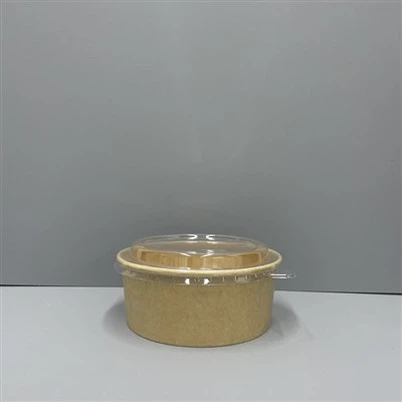

Choosing the Best Eco-Friendly Paper Bowls
Leave a message
Your food deserves a better home. Eco-friendly bowls protect both meals and planet. Make the switch.
The best eco-friendly paper bowls are durable, safe for hot and cold foods, and certified compostable.They use plant-based coatings instead of plastic and come from responsibly sourced paper to minimizeenvironmental impact

Picture this: You serve a delicious meal in a flimsy bowl. The customer tries to eat. The bowl gets soft. Food leaksout. Embarrassing situation. Wasted food. Unhappy customer. This happens with cheap bowls. Good bowls keepfood contained. They maintain temperature. They look professional. But how do you choose the right ones Whatmakes a bowl truly eco-friendly Read on. The answers will surprise you. Your restaurant deserves better.
Are all paper bowls compostable?
Not all "green" bowls break down naturally. Some fool you. Learn the real facts.
No, not all paper bowls are compostable. Only bowls with plant-based coatings like PLA and propercertifications can break down naturally.
Many have plastic linings that prevent decomposition in standardcomposting systems.

Many people think all paper bowls are compostable. This is a dangerous mistake. I learned this the hard way.Early in my business, I used what I thought were eco-friendly bowls. I put them in my home compost bin.Nothing happened. Six months later, the bowls were still there. Just cleaner. That was a wake-up call. Here's thetruth: not all paper bowls are equal. The difference is in the coating. Most paper bowls have a plastic lining. Thislining makes them watertight. It prevents leaks. But plastic doesn't break down. It stays in the environment forcenturies. Some companies claim their bowls are compostable. But they need special conditions to break down.Industrial compost facilities have high heat. They have special microbes. These conditions break down the bowls.But few places have these facilities. Home compost piles don't get hot enough. Plant-based coatings like PLA are different. PLA comes from cornstarch or sugarcane. It breaks down in industrial compost. But it needsspecific conditions. Regular landfills won't break it down. I tested this myself. I buried PLA bowls in my garden.Two years later, they were still there. So how do you know if a bowl is truly compostable Look for certifications.BPI certification means it breaks down in industrial compost. Home compostable certifications mean it breaksdown in home piles. Read the fine print. Ask questions. Don't trust the word "eco-friendly" alone. It mightjust be greenwashing. True eco-friendly bowls come with proof. They have certifications. They tell you exactlyhow to dispose of them properly. Your customers deserve honesty. The planet deserves better than false claims.
What are compostable bowls made of?
"Compostable" is not magic. Natural materials make it work. Learn what to look for.
Compostable bowls are made from plant-based materials like bagasse (sugarcane fiber), bamboo, or wheatstraw. They use PLA polylactic acid coatings instead of plastic. These materials break down naturally when composted properly.

Compostable bowls use interesting materials. I always find it fascinating. The main base comes from plants.Bagasse is popular. Bagasse is the leftover fiber from sugarcane after juice extraction. Most people throw it away.Using it for bowls is smart. I visited a sugarcane processing plant. They had mountains of bagasse. Now theyturn it into bowls. It's a win-win. Bamboo is another common material. Bamboo grows fast. It doesn't needmuch water. It doesn't need pesticides. These are good things. I tested bamboo bowls myself. They held upwell with hot foods. Wheat straw is gaining popularity. Wheat is grown for grain. The straw is usually waste.Using it for bowls is another smart move. Bagasse, bamboo, and wheat straw all have something in common.They are natural fibers. They break down when composted. The coating is the key difference. Regular bowls useplastic coating. Compostable bowls use PLA coating. PLA stands for polylactic acid. It comes from cornstarch. Orsometimes from sugarcane. These are renewable resources. PLA looks like plastic. But it acts differently. It breaksdown in compost. I watched a test where PLA bowls turned into soil in 45 days. Regular plastic bowls still lookednew. Some bowls use no coating at all. They work with dry foods. Nuts, salads, pastries. But they can't holdliquids or hot foods. That's a limitation. The best bowls combine natural materials with safe coatings. They workwell. They break down properly. They help reduce waste. I always check the material source. I prefer bowls fromsustainable farms. Farms that care about the soil. Farms that don't use harmful chemicals. The material mattersas much as the compostability. A good bowl should do both. Work well. Break down. Protect the planet.

What size paper bowl for salad?
Salad size matters. Too small looks cheap. Too big wastes food. Find the sweet spot.
The ideal salad bowl size depends on portion sizes, typically 16-32 oz for regular salads and up to 64 oz forlarge shareable salads. Consider your menu and customer expectations when choosing bowl capacity.

Choosing the right bowl size for salads seems simple. It's not. I made mistakes early on. Too small bowls madecustomers unhappy. Food spilled over. Too big bowls wasted food and money. Here's what I learned about salad bowl sizes. First, consider your portions. A side salad needs less space than a main course. I've seenplaces use the same bowl for everything. That's not smart. A side salad might need 8-12 ounces. A main saladmight need 16-32 ounces. Second, think about presentation. Empty space in a bowl looks bad. The salad shouldlook full. But not overflowing. I've had salads fall apart because they were too packed. Third, consider the typeof salad. A salad with lots of greens needs more space. A salad with dense ingredients like grains or noodles canuse less space. Fourth, think about your customers. Some people eat light. Some eat hearty. You might needdifferent sizes. I worked with a cafe that offered small and large salads. Small for light eaters. Large for thosewith big appetites. Sales increased by 25% after that change. Fifth, consider the bowl depth. Shallow bowls workfor stacked salads. Deeper bowls work for mixed salads. I prefer slightly deeper bowls. They hold more food.They spill less. Sixth, think about lids. If you offer takeout, the lid must fit. Some lids only work with certain sizes.I've had lids pop off during delivery. That causes messes. It makes customers unhappy. Seventh, considerbranding. Your bowl represents your business. A good size shows you care. It shows attention to detail.Customers notice these things. The right size bowl makes your salads look better. It makes your business lookbetter. Take the time to choose wisely. Your customers will thank you.
Conclusion
The best eco-friendly paper bowls balance durability, safety, and proper compostability, ensuring your food stayscontained while minimizing environmental impact.